Denver Plumbing Services
Leak Detection
Find hidden leaks early and protect your Denver home from costly water damage.
Denver Plumbing Services
Find hidden leaks early and protect your Denver home from costly water damage.
A wet spot that keeps coming back, a meter that moves when nothing is running, or a musty smell under the sink can point to a hidden leak. Those small signs often show up before the damage becomes obvious, and the longer they are ignored, the more water can end up where it should not be.
If you suspect a leak at your Denver home, Ridgeway Plumbing Co can track down the source and help you decide the next step. We look for the cause behind the symptom, whether it is behind a wall, under a floor, around a fixture, or along a water line that is starting to give way.
Hidden leaks do not always announce themselves with standing water. Often the clues are subtle, and they can appear in more than one part of the home at once.
If one of these signs shows up once, it may be a fluke. If it keeps returning, it is worth having the source checked before the damage spreads.
Leak detection is about narrowing down the source without turning your home into a guessing game. Ridgeway Plumbing Co starts by looking at the places most likely to fail and then follows the evidence from there.
We inspect faucets, toilets, sinks, tubs, and exposed supply lines for drips, seepage, and loose connections. Some leaks are obvious once you know where to look, while others only show when water pressure changes or a fixture is used in a certain way.
Walls, floors, and cabinet spaces can hold moisture long before the damage becomes visible. We look for staining, swelling, and other signs that point to a leak behind the finish surface.
Small failures at joints or along pipe runs can waste a surprising amount of water. We check the paths that carry water through the home and watch for the patterns that show where the leak may be starting.
Every leak has a trail. The goal is to read that trail carefully so you are not left with unnecessary damage or repeated repairs that miss the real cause.
This approach helps reduce guesswork and gives you a clearer picture of what needs attention now and what can wait.
Some leaks are easy to spot, but many start in places most people never see during a normal day.
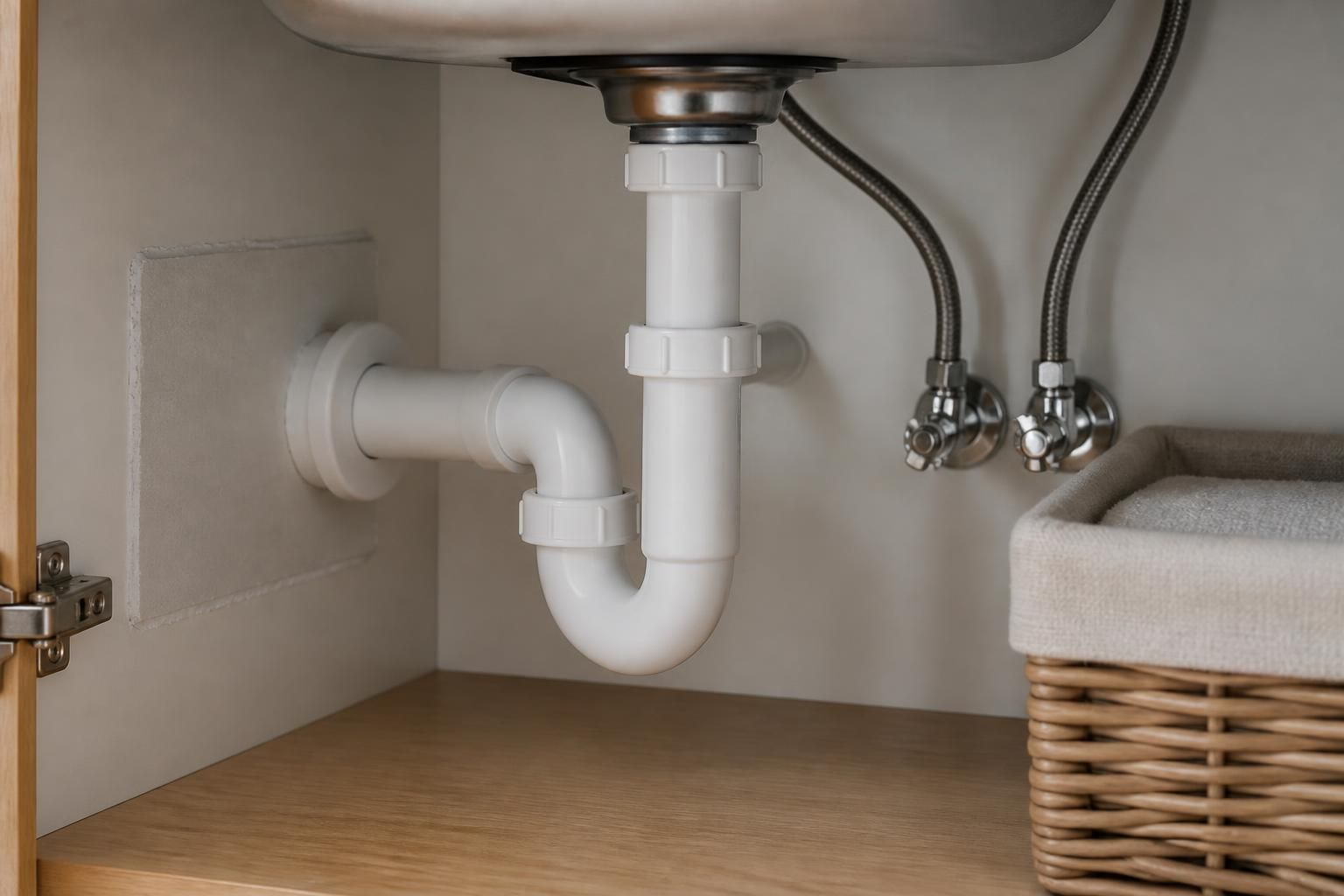
Cabinet spaces collect moisture quietly. A slow drip can soak the bottom panel, damage stored items, and create odor before it becomes obvious.
Pipes inside walls may leak without visible dripping at first. By the time paint starts to bubble or the wall feels soft, water may have been present for a while.
A small seal problem or a crack near a fixture can allow water to escape only when the fixture is used. That can make the problem hard to connect to a single event.
Supply lines can develop leaks at fittings or along aging sections of pipe. These leaks may show up as wet flooring, repeated puddles, or pressure changes that seem to come and go.
A leak rarely stays the same size. Even a slow one can stain surfaces, weaken materials, and encourage mold growth if it is left alone too long. It can also waste a large amount of water over time.
Finding the source early often makes the repair simpler. It can also help limit the amount of drywall, flooring, or cabinetry that needs attention after the leak is fixed. In many homes, the cost of waiting is not just the water itself, but the damage that follows.
When you schedule leak detection with Ridgeway Plumbing Co, the visit is focused on one thing: finding the source clearly and efficiently.
That process keeps the visit practical and centered on the problem your home is showing right now.
Not every leak means the same repair. Some problems are tied to a worn seal, a loose connection, or a fixture component. Others point to a pipe section that needs replacement. We talk through what the leak means for the affected area and what should be addressed first.
If the leak has affected surrounding materials, it may also make sense to check nearby surfaces for damage before closing anything back up. The right next step depends on where the water went and how long it had to spread.
Early signs often include a damp cabinet floor, an unexplained water bill increase, faint staining, or the sound of water movement when no fixture is on.
Yes. Many leaks begin behind finishes and only become visible after moisture has reached the surface or caused visible damage.
No. Some leaks spread into wood, drywall, or flooring before any standing water appears. A small amount can still cause noticeable damage over time.
If you can safely stop the water without making the problem harder to identify, that can help limit damage. If you are unsure, it is fine to leave things as they are and share what you noticed.
Intermittent leaks can be tied to how a fixture is used, changes in pressure, or a connection that fails only under certain conditions. That makes details from the homeowner especially helpful.
Yes. A small leak can stain, rot, or warp materials and can spread far beyond the visible spot. Catching it early gives you more control over the repair.
If you are noticing signs of moisture and cannot tell where they are coming from, Ridgeway Plumbing Co can help you track it down. Leak detection is most useful when the clues are still fresh, before the source has time to spread into more of the home.
For Denver homeowners, that means getting clear answers from a plumbing company that knows how to read the signs and focus on the source. Call +15552013344 during business hours, Monday through Friday, 9:00 AM to 5:00 PM, to schedule leak detection and take the next step toward a repair that addresses the real problem.
Our Service Standard
We take time to understand the plumbing issue before recommending a repair or replacement.
We explain the work in simple terms so you can make a confident decision.
We work carefully and keep the job site tidy while completing the service.
A Few Common Questions

Share a few details about the problem or project, and our team will help you figure out the best next step.