Denver Plumbing Services
Toilet Repair
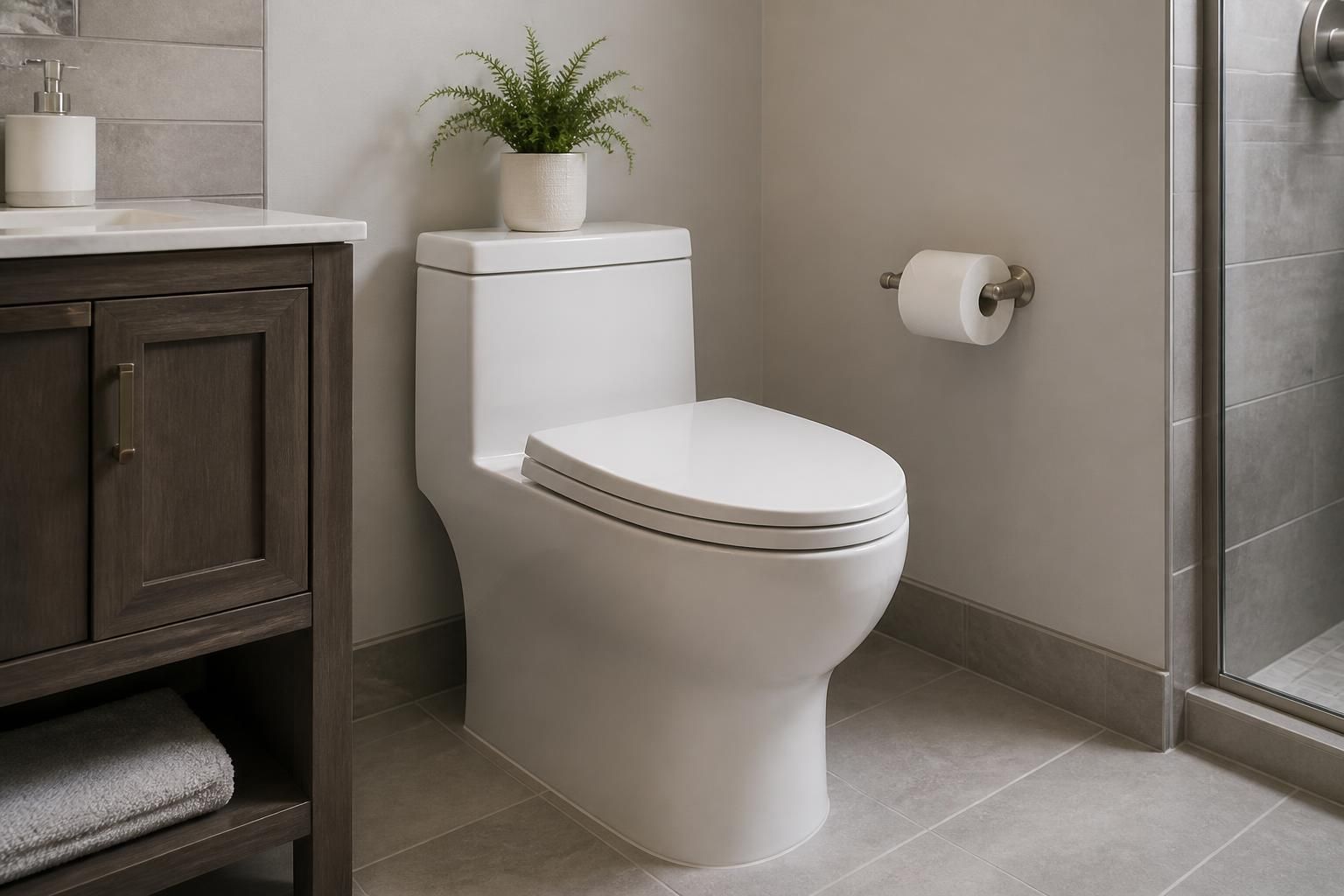
Fast toilet repair for leaks, clogs, and constant running across Denver homes.
Denver Plumbing Services
Fast toilet repair for leaks, clogs, and constant running across Denver homes.
A toilet that keeps running, leaks at the base, or refuses to flush can turn a normal day upside down. If you are hearing water move when nobody is using it, seeing puddles around the bowl, or dealing with repeated clogs, the problem usually needs more than a plunger and a little patience.
Ridgeway Plumbing Co helps homeowners across Denver with toilet repair that gets to the source of the trouble. We look at the symptom, find the cause, and make the repair with clear communication so you know what changed and what to watch next.
Toilet trouble often starts small, then becomes harder to ignore. A weak flush can leave waste behind. A fill valve that will not shut off can keep water moving all day. A worn wax ring can leave moisture at the base. Each sign points to a different repair, which is why guessing rarely solves the problem.
Ridgeway Plumbing Co handles toilet repair for Denver homeowners dealing with issues such as:
Some problems call for a simple part replacement. Others point to a deeper issue with the toilet itself or the connection below it. The repair starts with identifying which is which.
Toilet symptoms are useful clues. If you know what you are seeing, you can explain the problem clearly and avoid unnecessary back-and-forth. A running toilet usually points to an issue inside the tank. A wobbling toilet often suggests a loose set or damaged seal. Slow draining may be related to buildup or a partial blockage.
If water keeps moving after a flush, the flapper may not be sealing, the float may be set too high, or the fill valve may be worn. Even when the toilet seems to work, that constant refill cycle can make the noise hard to ignore and wastes water day after day.
Moisture around the bottom of the toilet should never be ignored. A damaged wax ring, loose bolts, or a shifted toilet can let water escape where it should stay sealed. The floor around the toilet can become damaged if the leak is left unchecked.
When the bowl does not clear with a normal flush, the issue may be inside the tank, inside the bowl, or farther down the drain line. If the toilet clogs often and the plunger only gives short-term relief, there may be a partial blockage or a part that is not sending enough water into the bowl.
We keep the repair process straightforward so you know what is happening at each step. A toilet can hide more than one issue, so a careful inspection matters before any parts are replaced.
We check the tank, bowl, base, and nearby connections to see where the trouble starts.
Float, flapper, fill valve, flush handle, and shutoff performance are all reviewed during the visit.
We determine whether the issue is a part failure, a sealing problem, or a blockage-related concern.
Once the problem is clear, we make the needed repair and verify the toilet responds the way it should.
This approach helps avoid patching the wrong part and coming back to the same problem again.
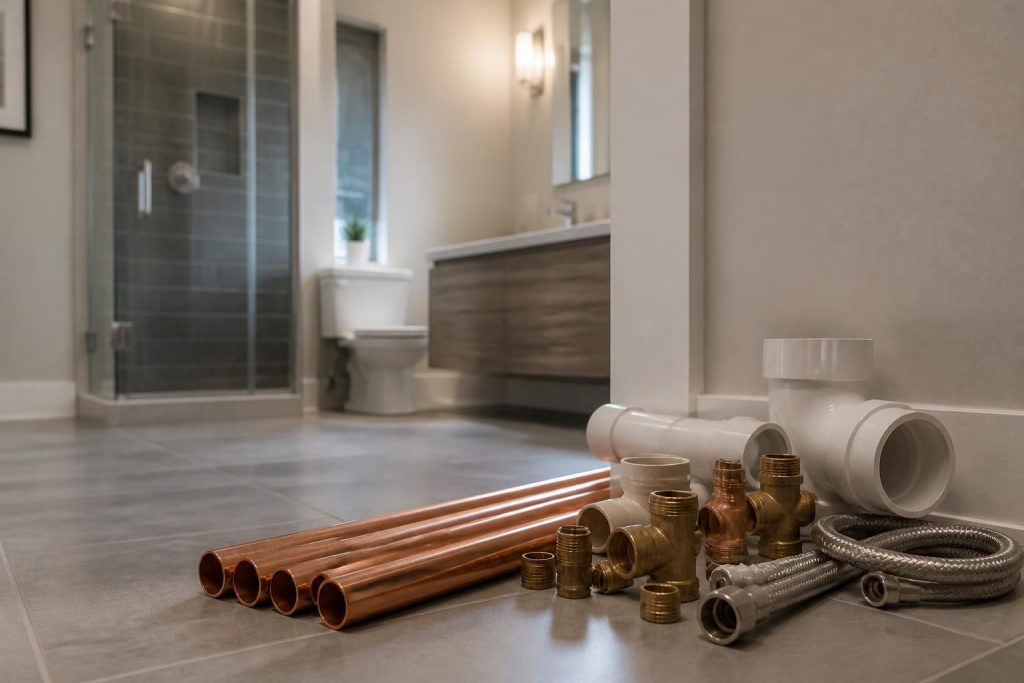
Many toilet repairs come down to a few common components. When one of these parts wears out, the toilet can waste water, leak, or stop flushing the way it should. We work on the parts that most often cause trouble.
If a part has worn out, replacing it can bring the toilet back to normal without turning the job into a larger project. If the toilet has multiple worn components, addressing them together can save you from another call soon after.
Sometimes a toilet can be repaired, but the repair would only delay a bigger issue. Cracks, repeated leaks, or major instability can make a replacement a more practical option than continued patchwork. We can help you understand when a repair still makes sense and when the toilet itself has reached the point where replacement is worth considering.
Signs that may point away from a simple repair include a bowl or tank crack, severe wobbling that returns after tightening, or frequent clogs that continue after other fixes. The goal is to solve the problem honestly, not force a repair that will not hold up.
Toilet problems disrupt more than one room. They can interrupt routines, create unpleasant odors, and lead to water damage if the leak is hidden or ignored. Denver homeowners call Ridgeway Plumbing Co when they want the problem checked carefully and handled without guesswork.
We keep the focus on the toilet itself and the symptoms you noticed first. That means less time chasing the wrong explanation and more time getting the bathroom back to normal use. If the issue is a simple internal part, we address that. If the seal below the toilet has failed, we handle that as well.
Toilet repair also helps reduce repeat frustration. A toilet that clogs every few days or runs for long stretches can become a constant distraction. Fixing the actual cause can make a noticeable difference right away.
Before you call, there are a few safe observations that can help narrow down the issue. These do not replace a repair, but they can make it easier to describe the problem.
If you notice any of these signs, mention them when you reach out. Small details can point us toward the likely repair faster.
A running toilet usually comes from a worn flapper, a fill valve problem, or a float setting that is off. The exact cause depends on what is happening inside the tank.
Water around the base often points to a failed wax ring, loose mounting hardware, or movement that has broken the seal between the toilet and the floor connection.
Yes. Some clogs are caused by partial blockages, a weak flush, or tank parts that are not releasing enough water during the flush cycle.
A wobbling toilet can mean loose bolts, an uneven set, or damage at the base seal. Movement should be checked sooner rather than later because it can worsen leaks.
Weak flushing can point to a tank component problem, buildup inside the bowl passages, or a partial restriction farther down the line. An inspection helps narrow it down.
If the toilet is structurally sound and the issue comes from a worn part or seal, repair is often enough. Cracks, repeated leaks, and major instability may make replacement the smarter next step.
If your toilet is leaking, running, or clogging again and again, Ridgeway Plumbing Co can help identify the cause and make the repair for your Denver home. Call +15552013344 during business hours Monday through Friday, 9:00 AM to 5:00 PM, to get started.
Our Service Standard
We take time to understand the plumbing issue before recommending a repair or replacement.
We explain the work in simple terms so you can make a confident decision.
We work carefully and keep the job site tidy while completing the service.
A Few Common Questions

Share a few details about the problem or project, and our team will help you figure out the best next step.